Discover Tunisia
Mediterranean Beauty
From beautiful beaches and turquoise waters to olive groves and coastal landscapes, Tunisia offers a distinctly Mediterranean setting that combines relaxation with natural beauty.
History & Cultural Heritage
Discover thousands of years of history, from ancient Carthage and Roman ruins to the distinctive architecture, traditions and vibrant culture of Tunisia.
Authentic Experiences
Experience Tunisia beyond the conference, with welcoming communities, traditional cuisine, lively markets and the unique atmosphere of destinations such as Gammarth, Carthage and Sidi Bou Said.
Tunis, the capital of Tunisia, offers conference attendees an opportunity to experience a destination where Mediterranean life, history and culture come together. At the crossroads of Africa, Europe and Asia, Tunis provides an ideal gateway to discover a remarkable heritage shaped by millennia of interactions between civilizations, cultures and landscapes.
Beyond the conference program, participants will have the opportunity to explore some of Tunisia’s most emblematic cultural treasures. The ancient city of Carthage, one of the great powers of the ancient Mediterranean, lies just minutes from Gammarth, while the picturesque blue-and-white village of Sidi Bou Said overlooks the sea.
Carthage was also home to Mago, the celebrated Carthaginian agronomist whose influential agricultural treatise advanced ancient Mediterranean agronomy and included extensive knowledge of vine cultivation and winemaking, an agricultural legacy still echoed in the vineyards of the Cap Bon Peninsula today.
The historic Medina of Tunis, with the Zitouna Mosque at its heart, offers an immersion into the living heritage and traditions of the capital. The Bardo Museum, renowned for its exceptional collection of Roman mosaics and archaeological treasures, provides another remarkable journey through Tunisia’s ancient past.
The Roman heritage extends far beyond the capital, with the monumental aqueduct linking the springs of Zaghouan to Carthage, the nearby Temple of the Waters, and the impressive archaeological site of Uthina (Oudhna), offering striking testimony to the engineering, urbanism and prosperity of Roman Africa. Further south, the magnificent amphitheatre of El Jem stands among the most remarkable monuments of the Roman Mediterranean.
Tunisia’s heritage is not only cultural and archaeological. Its diverse landscapes and exceptional ecosystems are an integral part of the country’s identity. The conference field visit to Ichkeul National Park, a UNESCO World Heritage and Ramsar site, will offer participants the opportunity to discover one of the Mediterranean region’s most important wetlands and to experience first-hand the natural heritage and conservation challenges that lie at the heart of plant conservation.
Together, these experiences make Tunisia much more than a conference destination: they offer participants a journey through ancient civilizations, living cultural traditions and exceptional Mediterranean landscapes, while discovering the rich natural heritage that connects people, plants and places across the region.
Local Flora
Tunisia, a small gem of the Mediterranean, enjoys a predominantly Mediterranean climate, with mild, wetter winters and warm, sunny summers, particularly across its northern and coastal regions. Its diverse geography gives rise to a remarkable climatic gradient, from the humid Mediterranean north with its lush forests and wetlands, to the warmer, drier central regions and the vast arid landscapes of the south. This exceptional combination of climate, geography and habitats has shaped a rich natural heritage, supporting a remarkable diversity of landscapes, ecosystems and plant life. Across this relatively small country, numerous plant species are endemic to Tunisia or to the wider North African region, making Tunisia a remarkable crossroads of Mediterranean, North African and Saharan floristic influences.
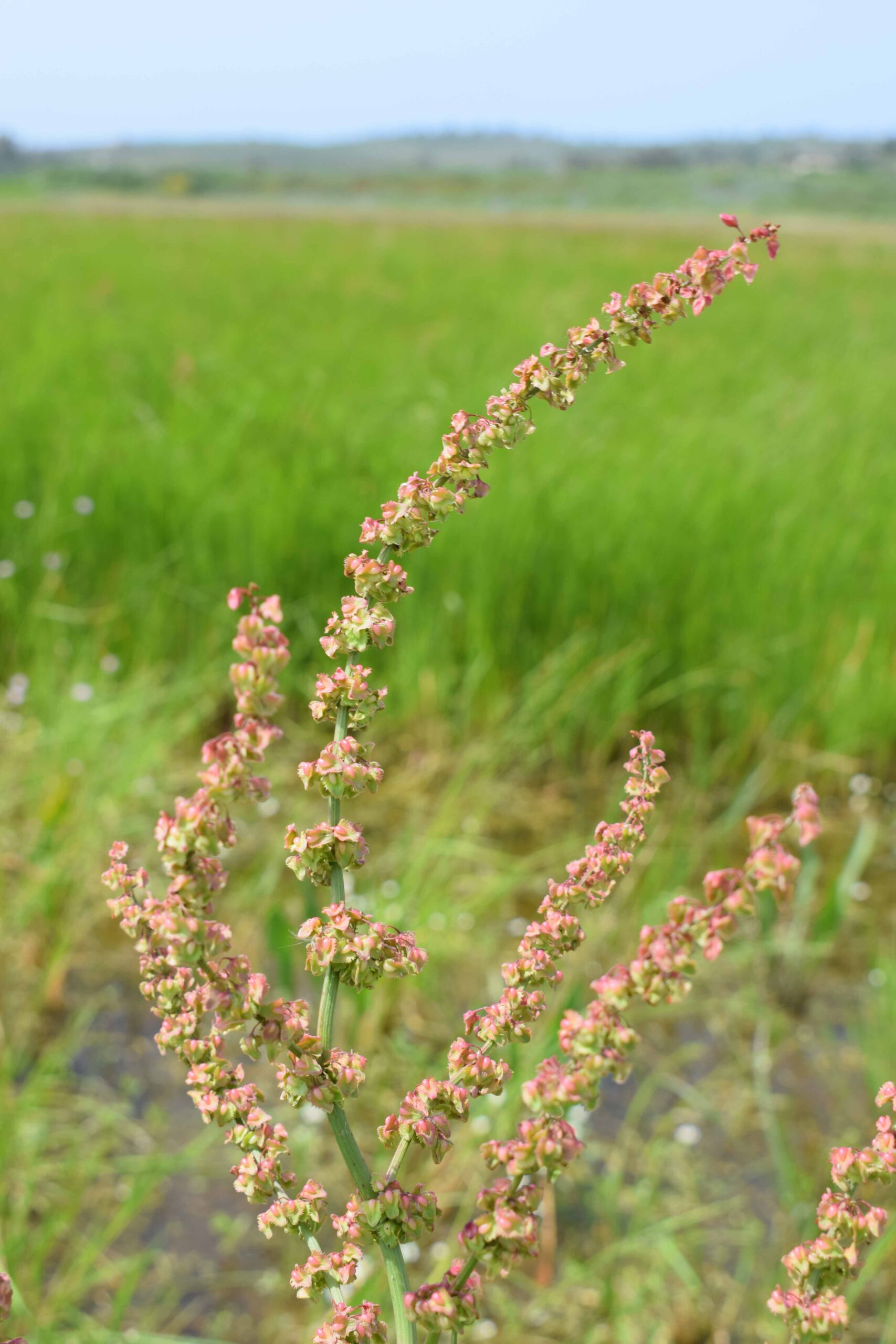
Rumex tunetanus Barr. & Murb.
An iconic plant species endemic to the Garâa Sejenane Ramsar Site in the Mogods region of northern Tunisia. Rumex tunetanus is a distinctive symbol of Tunisia’s unique botanical heritage and is featured on the conference logo, representing the natural and biogeographical links that unite the two shores of the Mediterranean.
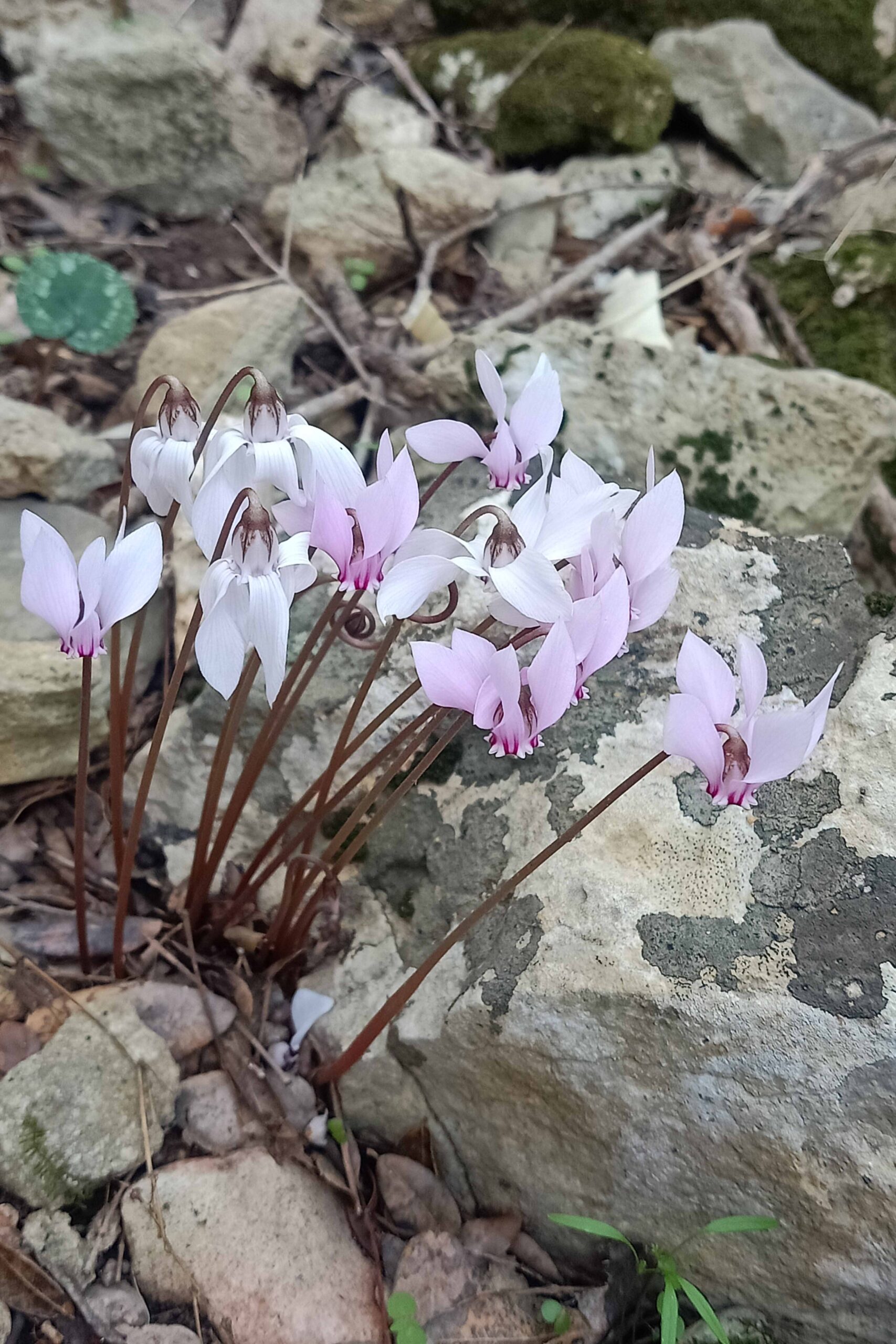
Cyclamen africanum Boiss. & Reut.
A Maghreb endemic species, occurring throughout Jbel Ichkeul, where its presence contributes to the remarkable floristic diversity and biogeographical significance of this protected landscape.