Program Preview
Program at a Glance
| Date | Monday 19 April |
Tuesday 20 April |
Wednesday 21 April |
Thursday 22 April |
Friday 23 April |
|---|---|---|---|---|---|
| Morning |
Session 1
|
Field trip
|
Session 3
How to integrate plant conservation into protected areas management? |
Session 6
Policy, communication and community participation towards inclusive conservation Session 7
Trees and forest conservation in the Mediterranean |
|
| Midday |
Lunch
|
Lunch
|
Lunch during field trip
|
Lunch
|
Lunch
|
| Afternoon |
Registration
Opens |
Session 2
Inventories and field work: the role of science in guiding plant conservation efforts |
Session 4
Ecological restoration, in situ and ex situ conservation techniques |
Poster session – Themes 6 & 7
|
|
|
Conference Opening Ceremony
|
Poster session – Themes 1 & 2
|
Session 5
Conservation in times of Conflict and Crisis |
Young Conservationist Award
Summary & Closing Ceremony
|
||
|
Plenary Lectures
|
Traditional knowledge &
ethnobotany side event |
Poster session – Themes 3, 4 & 5
|
|||
| Evening |
19 April
- Opening Ceremony
Monday afternoon (15:00)
The opening session will set the scene for the Week by introducing the broader historical, biogeographical and
environmental context of plant diversity conservation in the Mediterranean. It may include perspectives on the
region’s floristic uniqueness, endemism, long-term human influence on landscapes, and major drivers of
change such as land-use transformation, degradation and desertification. This session should help frame the
rest of the conference and highlight why Mediterranean plant conservation requires both regional cooperation
and locally grounded action.
The session will also introduce the Tunisian context, with contributions on the country’s flora and vegetation,
endemic plants, taxonomic singularities, protected areas, and broader national conservation perspectives.
20 April
- Session 1. Defining priorities for plant conservation
Tuesday Morning
Because conservation resources are limited, one of the central challenges is deciding what to prioritize, where,
and on what basis. This session will focus on frameworks and tools used to identify priority species, habitats,
sites, and actions for plant conservation in the Mediterranean.
Possible topics may include, among others, species conservation assessments, global and national Red Lists, Red Lists of Ecosystems, Key Biodiversity Areas for Plants, Mediterranean hotspot delineation, prioritization criteria, representativeness, data gaps, and the relationship between scientific assessment and conservation planning. Contributions may also explore how priorities translate into policy, funding, management action, or regional cooperation, as well as limitations, biases, and gaps in current approaches.
The session will also address biodiversity refugia in the Mediterranean context, the extent to which current protected area networks cover priority plant diversity, and the role of micro-reserves and other targeted conservation practices.
- Session 2. Inventories and field work: the role of science in guiding plant conservation efforts
Tuesday Afternoon
Effective plant conservation depends on robust knowledge. This session will explore how taxonomy, floristic research, chorology, field inventories, monitoring, and mapping contribute to stronger conservation practice, and how collaboration between scientists and practitioners can be reinforced.
Relevant contributions may address the current state of knowledge of Mediterranean flora, taxonomic challenges, distribution data, population trends, monitoring methods, use of new technologies, and
approaches to documenting poorly known species and regions. We also welcome presentations on how field-based science can better support conservation decision-making, prioritization, restoration and site management, as well as examples of successful collaboration across disciplines and institutions.
This block will include a poster session (approx. 2–2.5 hours), providing additional space for exchange and discussion, and will be complemented by a side event on traditional knowledge and ethnobotany.
- Side event : Traditional knowledge and ethnobotany: a biocultural legacy to be conserved
This side event will highlight the links between plant diversity, cultural heritage, traditional ecological
knowledge and sustainable livelihoods. It aims to explore how traditional uses and local knowledge systems
can support conservation, restoration, resilience and intergenerational transmission of knowledge.
Contributions may include ethnobotanical research, community-based knowledge, cultural landscapes,
customary management practices, traditional uses of wild and cultivated plants, and approaches to
safeguarding biocultural heritage in rapidly changing social and ecological contexts.
21 April
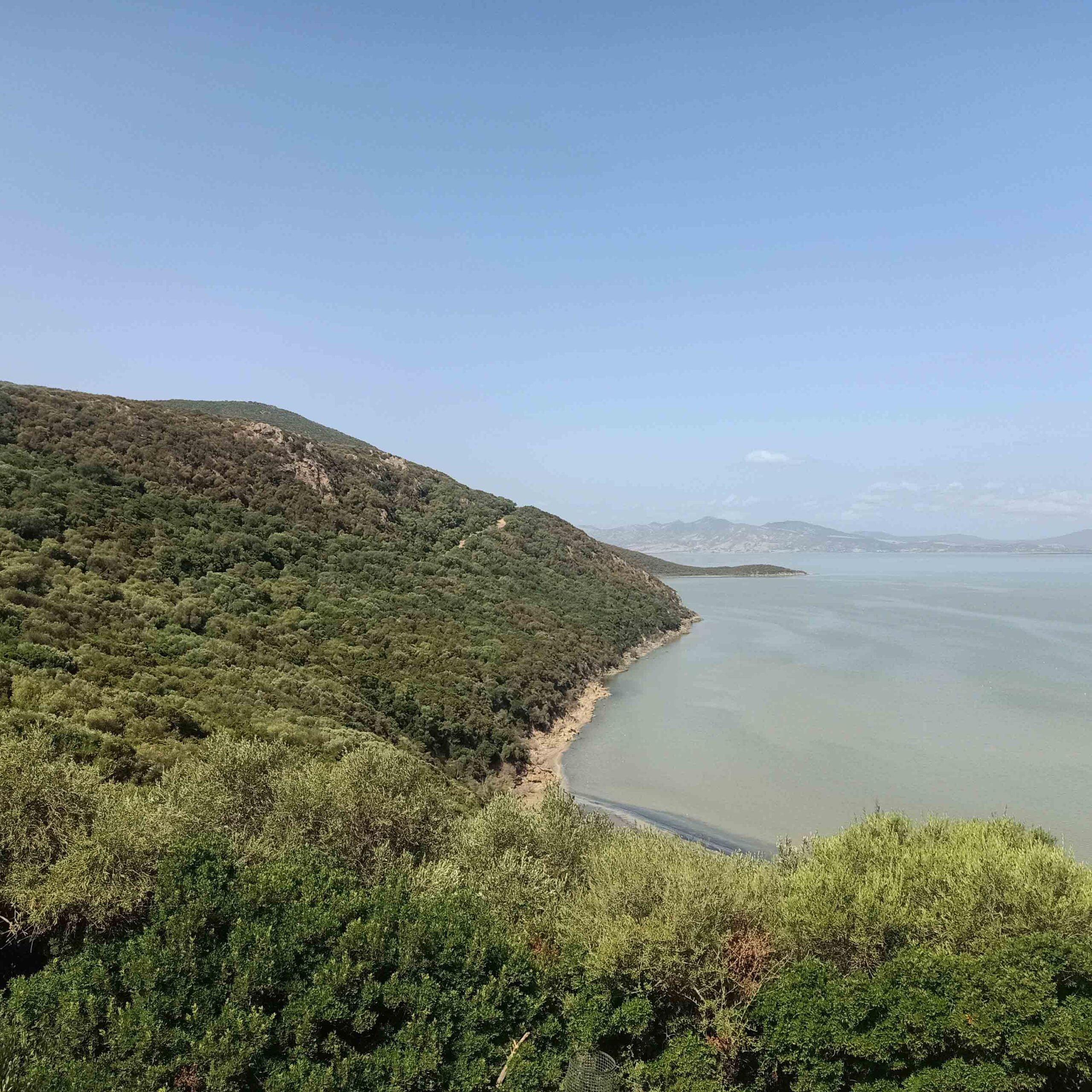
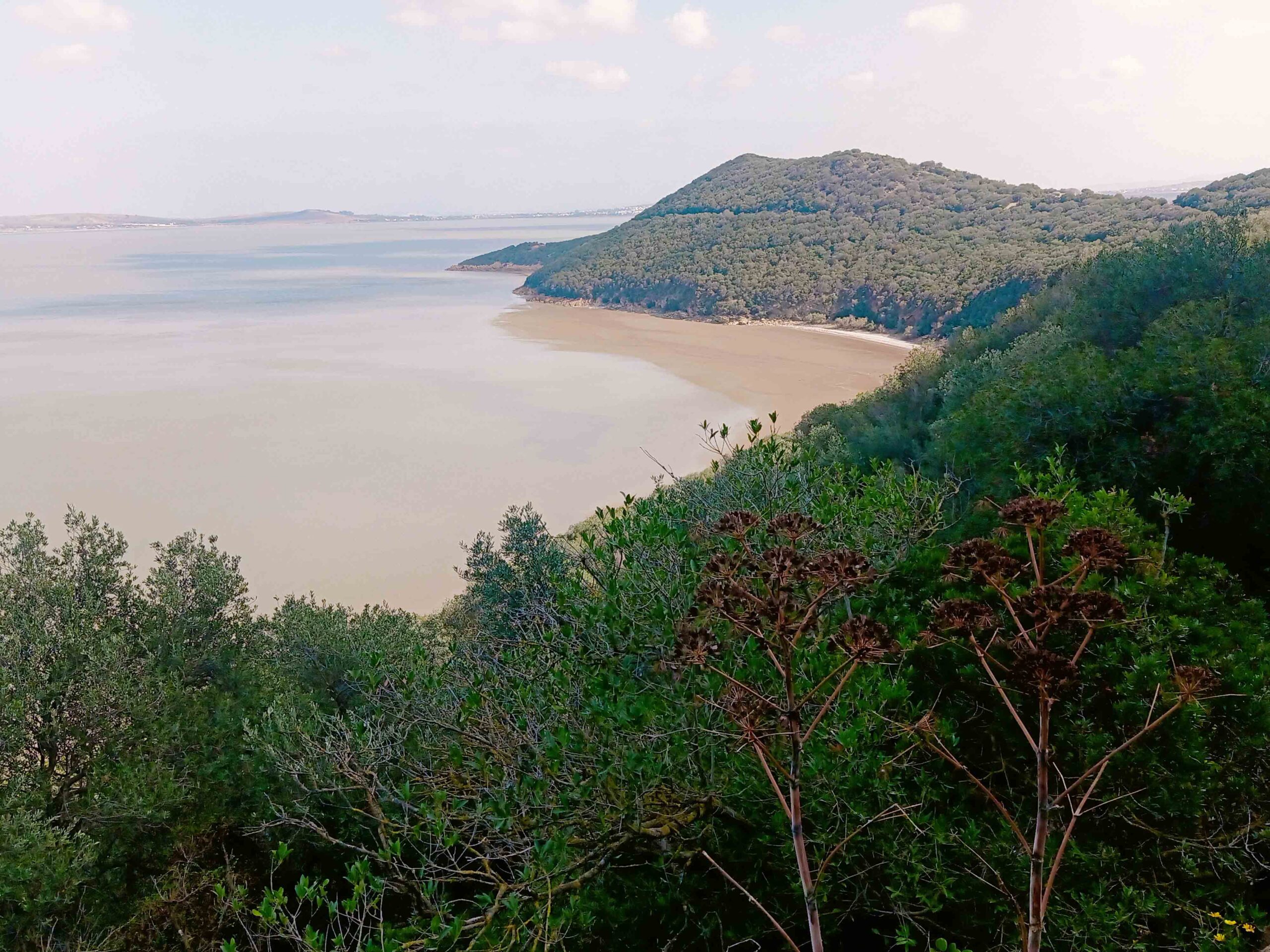
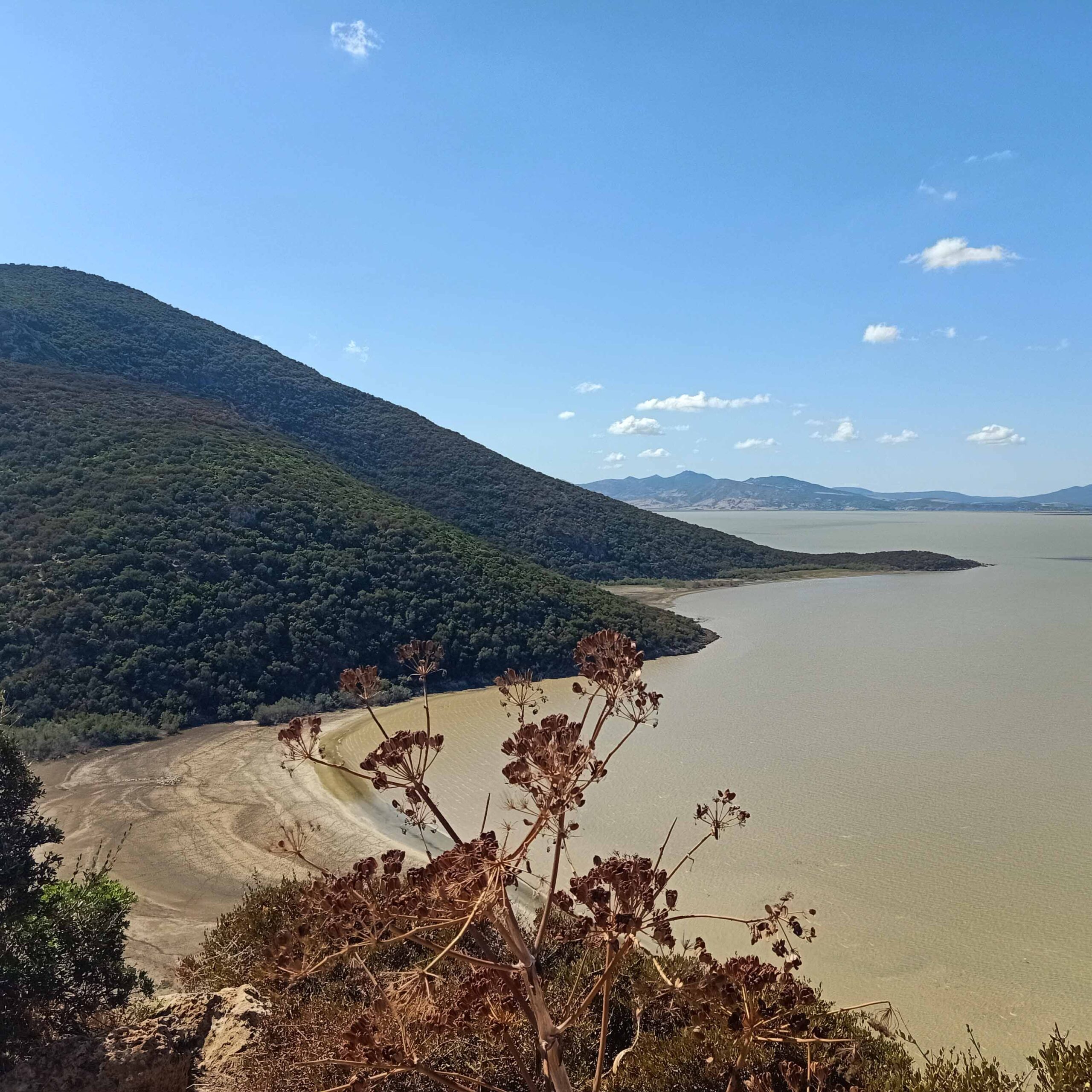
- Field trip to the Ichkeul National Park
Wednesday
Ichkeul National Park is located 75 km north of Tunis, near the city of Bizerte, the northernmost city in Africa.Spanning 12,600 hectares, the park comprises a freshwater lake, surrounding marshes and Jbel Ichkeul (511m).
The site is characterized by a unique lagoon-lake hydrological system driven by seasonal fluctuations in water levels and salinity. This dynamic hydrological regime sustains highly productive marshlands with rich aquatic vegetation, providing a critical stopover and wintering habitat for waterbirds. Ichkeul is thus considered the most important wetland in the western Mediterranean basin.
With over 500 plant species recorded, the park hosts a rich and diverse vegetation. The marshes harbor diverse flora, including the rare Tunisian endemic Limonium boitardii Maire. The lake is particularly known for its abundance of Stuckenia pectinata (L.) Börner (= Potamogeton pectinatus L.), a vital food resource for waterbirds. The vegetation of Jbel Ichkeul is dominated by Oleo-Ceration formations, hosting the rare endemic species Teucrium schoenenbergeri Nabli.
Ichkeul National Park is further characterized by a wide range of natural and cultural resources, including rich fauna, fisheries resources, high-quality freshwater, thermal springs (used since the Middle Ages), marble stone, and significant historical and archaeological heritage. Recognized for its exceptional ecological value, Ichkeul is designated as a UNESCO World Heritage Site, Ramsar Wetland of International Importance, Biosphere Reserve, Important Plant Area (IPA), and Key Biodiversity Area (KBA). The park is managed by the General Directorate of Forests (DGF) under the Ministry of Agriculture. It also features an ecomuseum and a geological museum, enhancing its educational and ecotourism value.
22 April
- Session 3. How to integrate plant conservation into protected areas management
Thursday Morning
Many protected areas contain important plant diversity, yet plants are still often underrepresented in management planning and conservation practice. This session will focus on how plant conservation can be better embedded in the design, governance, and day-to-day management of protected and conserved areas.
Contributions may include practical experiences from protected areas, plant-focused management planning, monitoring and indicators, habitat and species management, governance challenges, and lessons from different national or regional contexts. Submissions are also welcome on how to bridge the gap between protected area designation and effective plant conservation outcomes, including examples from transboundary, coastal, island, wetland, mountain, arid, or otherwise particularly vulnerable systems. Some cases, such as reserves designed for Crop Wild Relatives, can be highlighted.
- Session 4. Ecological restoration, and in situ and ex situ conservation techniques
Thursday Afternoon
This session will address the range of techniques and strategies available to conserve plant diversity both in natural habitats and in conservation facilities. It is intentionally broad in order to welcome a wide variety of contributions, including both methodological and practice-oriented experiences.
Topics may include plant translocations and reintroductions, reinforcement of wild populations, seed banking, living collections, propagation protocols, integrated in situ and ex situ approaches, restoration of degraded habitats, and responses to threats such as invasive species and climate change.
- Session 5. Conservation in Times of Conflict and Crisis
Thursday Afternoon
Conflict, political instability, wars and humanitarian crises can have major impacts on ecosystems, institutions and conservation practice, while also creating difficult conditions for research, management and regional collaboration. This session aims to provide space for reflection and exchange on plant conservation in fragile,
conflict-affected or politically complex contexts.
Contributions may address direct and indirect impacts of conflict on plant diversity, protected areas and livelihoods; continuity of conservation work under unstable conditions; safeguarding collections and knowledge; post-conflict recovery; and cross-border or regional cooperation under challenging circumstances.
We welcome both research-based and experience-based perspectives, recognizing that this is an important but often under-discussed dimension of Mediterranean conservation
23 April
- Session 6. Policy, communication and community participation (2 hours)
Friday Morning
This session brings together themes related to governance, awareness raising, participation and capacity building. Plant conservation cannot succeed through science and technical action alone; it also depends on supportive policy frameworks, effective communication, institutional coordination, and the active involvement
of communities and civil society.
Possible contributions may include plant conservation policy, legal and institutional frameworks, mainstreaming plants into biodiversity strategies, advocacy, education, public engagement, communication tools, citizen science, participatory conservation, local stewardship, and capacity development. We especially welcome examples showing how inclusive approaches can strengthen conservation outcomes, build ownership, and connect local knowledge, public institutions and scientific expertise.
- Session 7. Trees and forest conservation in the Mediterranean
Friday Morning
Trees and forest ecosystems play a major ecological, cultural and socio-economic role in the Mediterranean, while facing increasing pressure from drought, fire, pests, land-use change and climate change. This session would provide space for contributions focused specifically on Mediterranean trees, woodlands and forest conservation. It would promote practical and science-based conservation solutions, and emphasize the central role of the conservation of threatened trees in the conference’s overall message.
Submissions may address the conservation of threatened tree species, forest restoration, regeneration dynamics, tree genetic diversity, fire ecology, climate adaptation, forest management, and the interface between biodiversity conservation and landscape resilience. Contributions linking science, practice, finance and policy are particularly welcome, including those exploring innovative partnerships or investment approaches for tree and forest conservation.
- Young Conservationist Award
Friday Afternoon
A dedicated initiative may be developed to recognize the commitment and achievements of young plant
conservationists in the Mediterranean region. This could take the form of an award, scholarship, grant,
placement opportunity or other type of support linked to the conference. The aim would be both to recognize
promising work and to encourage the next generation of conservation leaders.
- Closing Ceremony
Friday Noon
The closing ceremony will include the presentation of the Young Conservationist Award, recognizing
exceptional achievements among early-career conservationists. The Scientific Committee will also present the
conference conclusions, including key recommendations and proposals regarding the host country for the 7th
Mediterranean Plant Conservation Week (7MPCW).